Why Product Data Cleansing is a Game Changer for eCommerce Stores

Why Product Data Cleansing is a Game Changer for eCommerce Stores

In the fast-paced world of eCommerce, your product data is the backbone of a store’s success. Whether you are selling locally or globally, the quality of your product data directly impacts sales, customer satisfaction, and brand reputation. For industrial products like abrasive discs or pipe adapter fittings, clean and accurate data is even more critical to ensure operational efficiency and customer trust. Neglecting product data cleansing means leaving money on the table.

Why Does Product Data Matter?

Every eCommerce store deals with massive amounts of data daily—customer preferences, inventory updates, product descriptions, and more. Over time, this data can become cluttered with inaccuracies, duplications, or outdated information. For example:

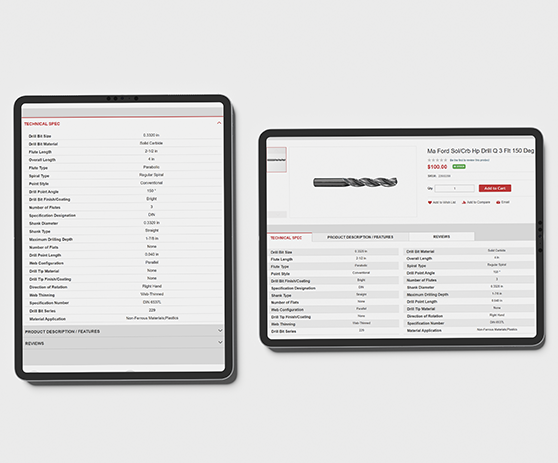
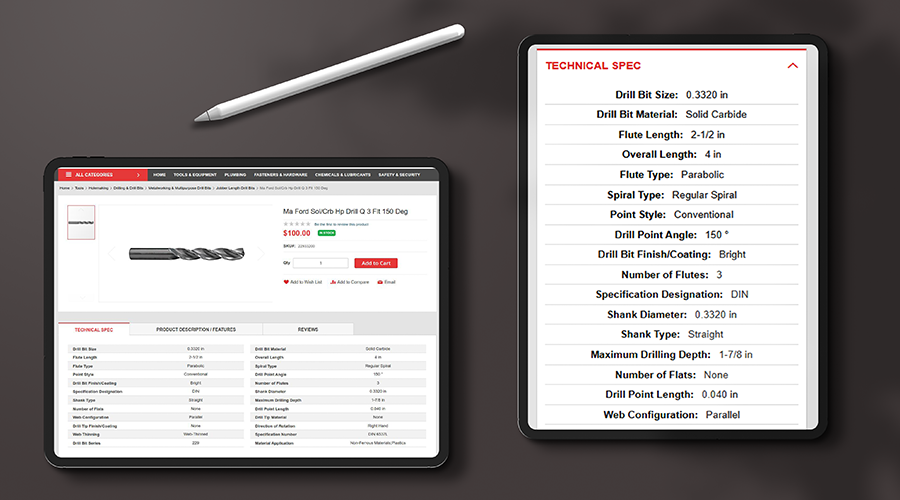
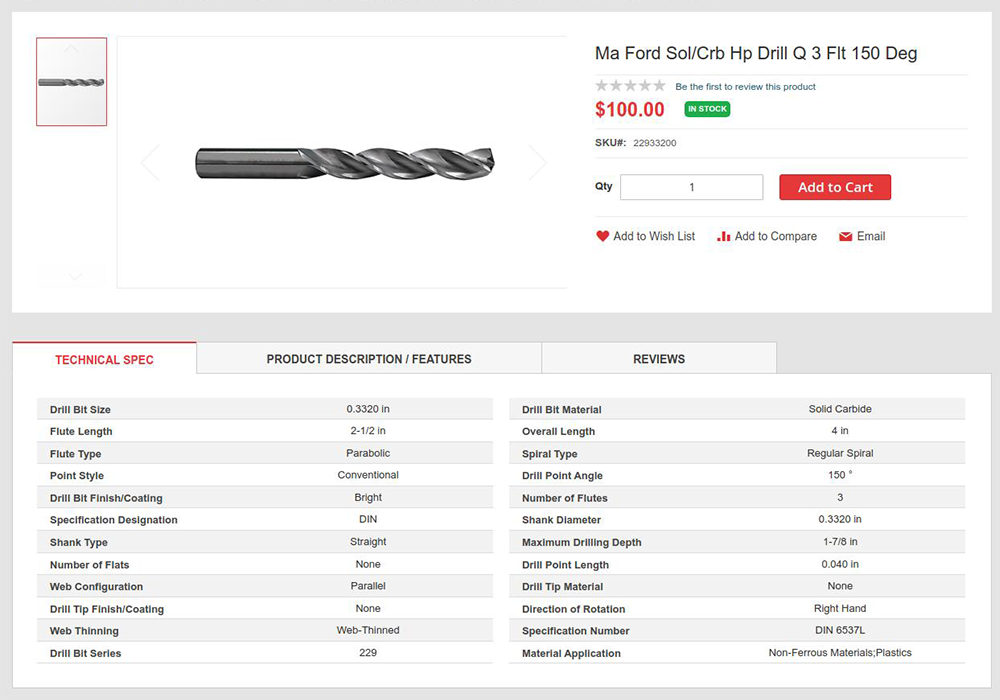
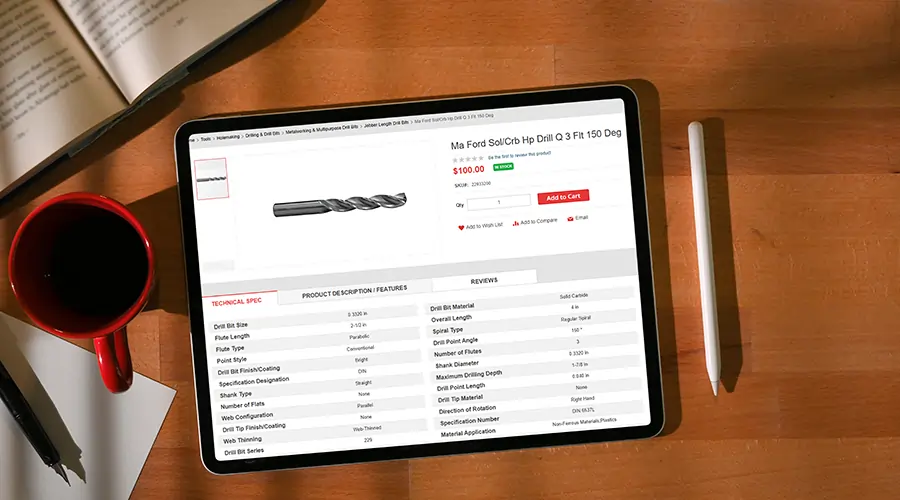
Drill Bits

data-cleansing-for-drillbits

Incorrect specifications like Drill Bit Size or material type can frustrate customers and lead to returns.

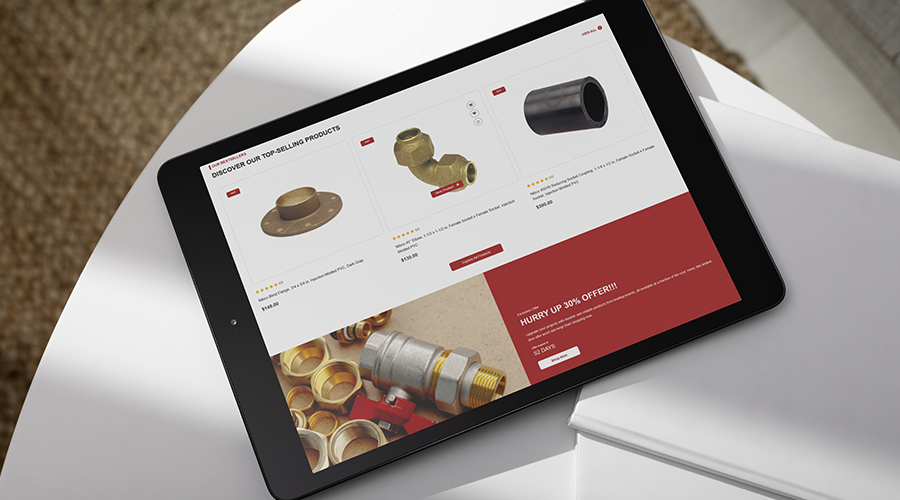
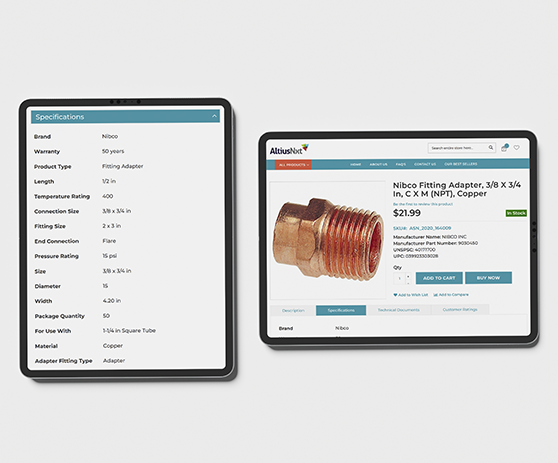
Pipe Adapter Fittings
data-cleansing-for-fittings

Pipe Adapter Fittings: Mismatched dimensions or missing compatibility details can result in failed installations and dissatisfied customers.

The Benefits of Product Data Cleansing

1. Unlock Powerful Customer Insights

Clean data allows you to understand purchasing behaviors and preferences better. For instance:
  • Tracking regional demand for abrasive discs helps optimize inventory.
  • Identifying trends in pipe adapter fittings usage enables targeted marketing campaigns

Tailored recommendations based on clean data can significantly boost conversions and repeat purchases.

2. Boost Trust with Accurate Product Information

Customers rely on precise product details to make informed decisions. Errors in specifications—like incorrect grit size for abrasive discs or material compatibility for pipe adapter fittings—erode trust. Clean data ensures that every product detail is correct, enhancing customer confidence in your brand.

3. Minimize Customer Input Errors

Mistakes in customer-entered details (e.g., selecting the wrong size for a pipe adapter fitting) can lead to order issues. Clean data reduces such errors by providing clear options and accurate descriptions.

4. Reduce Order Failures and Shipping Issues

Failed orders due to incorrect addresses or mismatched product details are costly. Clean data ensures smooth transactions:

  • Accurate dimensions for pipe adapter fittings prevent shipping mismatches.
  • Proper categorization of abrasive discs avoids confusion during fulfillment.

Additional Benefits for Industrial Products

  • Real-Time Access to Updated Specifications: Customers can view precise details about industrial products like grit sizes for abrasive discs or thread types for pipe adapter fittings, reducing confusion. conversion rates.
  • Fewer Returns and Exchanges: Correct specifications minimize buying mistakes, saving costs on returns.
  • Enhanced Product Search: Clean data improves search functionality, helping customers find specific items like a particular type of abrasive disc or fitting.
  • Consistent Displays Across Platforms: Uniform presentation ensures that industrial products appear professional on your store and marketplaces.

The Bottom Line

Inaccurate product data disrupts operations and harms customer trust. For industrial products like abrasive discs or pipe adapter fittings, clean data ensures smoother transactions and better customer experiences. Investing in Product Data Cleansing Services helps resolve discrepancies, improve decision-making, and streamline operations.

As your eCommerce store scales globally, clean product data becomes essential for smart business decisions and stronger customer relationships. Whether you are selling industrial tools or consumer goods, prioritizing clean data sets your brand up for long-term success.

Ready to Optimize Your Product Data?

If you want to grow your eCommerce store globally—especially dealing with industrial products—there is no better time to clean up your data. Let AltiusNxt help you optimize your product information for improved efficiency, reduced errors, and greater customer satisfaction. Reach out today to unlock your business’s full potential!


Unlocking eCommerce Success: How to Implement a Platform That Converts

eCommerce implementation involves more than just selecting a platform; it requires careful planning, execution, and ongoing optimization to ensure a seamless customer experience and operational efficiency. A well-implemented eCommerce platform can significantly boost sales, enhance brand reputation, and provide valuable insights into customer behavior.

7 Steps for Implementing Your eCommerce Platform

1. Define the Scope of the Project and Create a Roadmap

Before diving into implementation, it is essential to define clearly your goals and requirements for the online store, This includes:

  • Specific Features: Consider what features will enhance the customer experience, such as detailed product descriptions, customer reviews, and related product recommendations.
  • Design Elements: Align your platform’s design with your brand identity, including color palettes and typography.
  • Project Plan: Outline key milestones, tasks, dependencies, resources required, and potential risks. Use project management tools to track progress.

2. Choose the Right eCommerce Platform

Selecting the right eCommerce platform is critical. Consider scalability, ease of use, customization options, and integration capabilities with third-party services. At AltiusNxt Technologies, we are experts in implementing platforms like Shopify, WooCommerce, Magento, and BigCommerce. Each platform offers unique advantages:

woocommerce

Ideal for WordPress users, offering flexibility and customization.

magento

Offers robust features suitable for large-scale operations.

shopify

Known for its ease of use and extensive app ecosystem.

bigcommerce

Provides a scalable platform with built-in features for growth.

3. Set Up Infrastructure and Integrations

A robust eCommerce infrastructure includes:

  • Web Server Architecture: Ensure reliable hosting to support high traffic and fast page loading.
  • API Management: Integrate with payment gateways, shipping services, and marketing tools seamlessly.
  • Inventory Management: Implement an efficient system to track stock levels and automate reordering.
  • Database Management: Optimize data retrieval and storage for smooth operations.

4. Design and User Experience

A well-designed website is crucial for conversion rates. Ensure:

  • Responsive Design: The site is mobile-friendly and adapts to different screen sizes.
  • Intuitive Navigation: Easy-to-use menus and search functions.
  • Fast Loading Times: Optimize images and use caching to reduce load times.

5. Secure Payment Processing

Offer a variety of secure payment options to increase conversions:

  • Multiple Gateways: Integrate with popular payment gateways like PayPal and Stripe.
  • Security Compliance: Ensure compliance with industry standards like PCI-DSS.
responsive-mobile

6. Test and Launch

Before launching, thoroughly test your platform for:

  • Functionality: Ensure all features work as expected.
  • Performance: Conduct load testing to handle high traffic.
  • Security: Perform vulnerability scans and penetration testing.

7. Post-Launch Optimization

After launch, focus on

  • Analytics: Use data insights to optimize marketing strategies and improve user experience.
  • Customer Feedback: Collect and act on customer feedback to enhance the platform.
  • Continuous Updates: Regularly update software and plugins to maintain security and performance.

The Gap in eCommerce Implementation: Data Enrichment

Most agencies focus solely on implementing eCommerce platforms, often overlooking a critical component: product data enrichment. However, at AltiusNxt Technologies, we understand the importance of combining eCommerce platform implementation with comprehensive data enrichment services. Our core strength lies in product data management, allowing us to provide a holistic approach that enhances customer experience and drives business success.

Benefits of Data Enrichment in eCommerce

Data enrichment is crucial for eCommerce success as it transforms raw product data into accurate, consistent, and detailed information. This process:

  • Improves Search and Product Discovery: Enriched data ensures that customers can easily find what they need, enhancing their shopping experience and increasing conversion rates.
  • Enhances Customer Satisfaction: Detailed product information builds trust and satisfaction among customers, leading to repeat business and positive reviews.
  • Supports Advanced Analytics: Enriched data provides insights that can be used for advanced analytics, catalog optimization, and data-driven marketing strategies.

Common Challenges in eCommerce Implementation

Implementing an eCommerce platform comes with several challenges:

  • Intense Competition: Differentiate your brand through unique offerings and marketing strategies.
  • Abandoned Shopping Carts: Streamline checkout processes and offer incentives to complete purchases.
  • Website Performance: Optimize for speed and mobile-friendliness to reduce bounce rates.

Conclusion

Implementing an eCommerce platform requires careful planning, execution, and ongoing optimization. By leveraging platforms like Shopify, WooCommerce, Magento, and BigCommerce and focusing on strategies tailored to specific client needs, businesses can create a successful online storefront. At AltiusNxt Technologies, we set ourselves apart by integrating eCommerce platform implementation with comprehensive data enrichment services, ensuring clients receive a complete solution that drives long-term success.

About AltiusNxt Technologies

At AltiusNxt Technologies, we specialize in providing innovative solutions for eCommerce businesses. Our team of experts is dedicated to helping you navigate the complexities of digital commerce, ensuring your online store is set up for success from day one. Whether you need guidance on platform selection, infrastructure setup, or optimization strategies, we are here to support your journey into eCommerce. Contact us today to learn more about how we can help you achieve your eCommerce goals.

Stay Ahead in 2025: How Data Normalization Boosts eCommerce Efficiency for Industrial Distributors and Retailers.

Introduction

Are you ready to take your eCommerce operations to the next level in 2025? As an industrial distributor or retailer in niche sectors such as plumbing, safety and PPE, MRO, HVACR, electrical, and electronics, you are uniquely positioned to leverage data-driven strategies for growth. With the rapid expansion of eCommerce and growing customer demands, how can you harness the power of data to drive operational efficiency and deliver exceptional customer experiences?

Product Data Normalization—a transformative strategy that organizes and standardizes product data to eliminate redundancies, improve accuracy, and streamline operations. Whether managing intricate technical specifications or ensuring compliance with industry standards, data normalization is the key to staying competitive in the evolving industrial distribution landscape.

At AltiusNxt Technologies, we are experts in offering tailored solutions for industrial distributors and retailers to optimize their eCommerce operations through effective data normalization practices. Let’s explore how this process can revolutionize your business and help you stay ahead in 2025.

The Importance of Product Data Normalization in eCommerce

Product Data Normalization is structuring data to ensure consistency and integrity across databases. For industrial distributors and retailers, this means organizing product information—such as technical specifications, pricing, and inventory levels—in a way that eliminates redundancies and anomalies. Normalization is not just a technical necessity; it’s a business imperative that impacts customer experience, operational efficiency, and ultimately, profitability. AltiusNxt understands this and offers tailored solutions to meet these critical needs.

How Data Normalization Enhances eCommerce Efficiency

1. Eliminating Data Redundancies:

Duplicate entries and inconsistent data can lead to inefficiencies in database management and increased storage costs. Normalization ensures that each information is stored in a single location, reducing errors and improving data integrity. For instance, in the HVACR sector, AltiusNxt’s data enrichment services standardize product specifications and ensure that customers receive accurate information across all platforms.

2. Improving Inventory Management:

Normalized data provides clear visibility into stock levels across multiple locations or platforms. Businesses can quickly identify which products are selling well and optimize restocking processes accordingly. In the MRO industry, this means ensuring that critical maintenance parts are always available when needed, a service AltiusNxt helps to facilitate through meticulous data management.

3. Enhancing Customer Experience:

Consistent and accurate product data builds trust with customers. For example, safety equipment distributors can ensure that critical details like compliance certifications are always up-to-date, reducing confusion during purchasing decisions. Normalization also facilitates better search functionality on eCommerce platforms, making it easier for customers to find the right products quickly. AltiusNxt’s data enrichment services focus on presenting product information clearly and effectively, improving the overall customer experience.

4. Streamlining Multi-Channel Operations:

Normalized data ensures consistency in product descriptions and technical attributes across all channels, enhancing customer trust and reducing confusion. This is particularly important for retailers operating on multiple marketplaces or through their eCommerce sites. AltiusNxt’s expertise ensures product data is optimized for seamless integration across various platforms.

5. Faster Time-to-Market:

By organizing product data into standardized formats, distributors can quickly adapt to new sales channels or marketplaces without extensive reformatting efforts. Agility is crucial for staying competitive in fast-paced industries like electronics or electrical components. AltiusNxt’s proven methodologies help businesses achieve faster time-to-market with enriched and normalized product data.

Applications of Data Normalization in Specialized Industries

AltiusNxt offers customized data enrichment solutions for various niche sectors, leveraging data normalization to enhance efficiency and accuracy:

  • Electrical & Electronics:Organizes technical attributes like voltage ratings and connectivity options to facilitate easier comparison shopping and informed purchasing decisions.
  • Hand, Power & Machine Tools: Ensure compatibility and standardization of tool specifications, improving inventory management and reducing errors in tool selection.
  • HVAC, Plumbing & Fluid Power: Standardizes dimensions and material specifications to ensure compatibility between parts, simplifying inventory management and procurement processes.
  • Safety, PPE & Hardware: Maintains uniformity in product descriptions to highlight compliance with safety standards, enhancing safety and regulatory adherence.
  • Chemicals, Lubricants & Coatings: Normalizes chemical formulations and specifications to ensure accurate usage and compliance with safety regulations.
  • Office Supplies: Standardizes product descriptions and specifications to improve inventory tracking and facilitate efficient ordering processes.
  • Kitchen, Bathroom & Maintenance: Organizes product information to ensure compatibility and ease of maintenance, enhancing customer satisfaction.
  • Cleaning & Janitorial Supplies: Ensures uniformity in product descriptions, facilitating easier comparison and selection based on specific cleaning needs.
  • Medical, Dental & Veterinary Supplies: Standardizes product specifications to ensure accurate ordering and compliance with medical standards and improve patient care and safety.

AltiusNxt’s Approach to Data Normalization

AltiusNxt Technologies provides tailored solutions that automate and refine the normalization process using industry-specific templates and proven methodologies. Our eCommerce Product Data Enrichment Services include:

  • Data Cleansing: Identifying and correcting inaccuracies, inconsistencies, and redundancies in the product data.
  • Data Standardization: Ensuring consistency in naming conventions, units of measure, and technical specifications.
  • Data Enrichment: Adding missing information, enhancing product descriptions, and optimizing content for search engines
ecommerce-consulting

How Data Normalization Helps Reduce Storage Costs for Industrial Distributors

Industrial distributors in niche sectors like plumbing, safety and PPE, MRO, HVACR, electrical, and electronics often handle vast amounts of complex product data. Managing this data efficiently is crucial to reducing operational costs, including storage expenses. Data normalization plays a pivotal role in optimizing storage by eliminating redundancies and ensuring data consistency across platforms.

Key Ways Data Normalization Reduces Storage Costs

1.  Eliminating Redundant Data

One of the primary benefits of normalization is the removal of duplicate entries. For industrial distributors, redundant data—such as repeated SKUs, product descriptions, or technical specifications—can significantly inflate database size. Organizing data into relational tables and eliminating duplication and normalization reduces the overall storage footprint.

2. Optimizing File Size

Normalized databases are structured logically, storing unique attributes in separate tables rather than duplicating them across multiple records. This streamlined approach minimizes file size, reduces the need for extensive storage capacity, and improves database performance.

3. Improving Data Integrity

Normalization ensures that each information is stored in a single location within the database. For example, product details like compliance certifications or dimensions are linked to individual records rather than repeated across multiple entries, which reduces errors and ensures efficient use of storage space.

4. Facilitating Scalability

As industrial distributors expand their operations or product catalogs, normalized databases can accommodate growth without requiring exponential increases in storage capacity.  Scalability helps businesses manage their data efficiently while keeping costs under control.

5. Reducing Processing Costs

A smaller and more organized database requires fewer computing resources for queries and updates. Reducing the need for excessive operations on redundant data and normalization lowers processing costs and improves system efficiency.

Case Study: Enhancing eCommerce Efficiency with AltiusNxt

Scenario:

A leading electrical component distributor was experiencing high cart abandonment rates due to confusing and incomplete product data on their eCommerce platform.

Solution:

AltiusNxt Technologies implemented a comprehensive data normalization and enrichment strategy. We standardized product attributes, added detailed technical specifications, and optimized product descriptions for search engines.

Results:
  • Reduced Cart Abandonment:

    Clear and accurate product data led to a 40% decrease in cart abandonment rates.
  • Increased Conversion Rates:

    Enhanced product descriptions and improved search functionality resulted in a 25% increase in conversion rates.
  • Improved Customer Satisfaction:

    Customers reported higher satisfaction levels due to the improved shopping experience.

Conclusion

As eCommerce continues to evolve in 2025, industrial distributors and retailers must prioritize Product data normalization to stay competitive. By leveraging AltiusNxt Technologies’ expertise and tailored solutions, businesses can enhance operational efficiency, improve customer satisfaction, and drive sustainable growth. Whether in electrical & electronics, HVAC, hand & power tools, plumbing, safety & PPE, or other niche sectors, data normalization is the key to unlocking seamless customer experiences and operational excellence in the digital marketplace. Partner with AltiusNxt to transform your product data and achieve eCommerce success.

Elevating Your E-Commerce Strategy with Product Attribute Development

In the competitive world of e-commerce, Product Attribute Development is the backbone of a successful online store. Think of them as the specifications of an electrical product like a circuit breaker or a machining tool like a drill bit—critical details that help customers make informed decisions. At AltiusNxt, we specialize in refining these “specifications” to optimize your product data and revolutionize your e-commerce strategy. Our expertise ensures that your products are presented with clear, precise, and structured attributes, making it easier for customers to compare, evaluate, and purchase.

Why Product Attributes Matter in E-Commerce

1. Enhanced Product Discoverability

Structured attributes improve searchability and filtering, ensuring customers find the exact match for their requirements. For example, an industrial distributor searching for a circuit breaker with certification can instantly locate the right product if attributes are properly categorized.

2. Improved User Experience

Detailed attributes such as size, material, compatibility, and compliance standards help users make confident purchasing decisions.

3. Increased Conversions & Reduced Returns

Accurate product descriptions reduce ambiguity, leading to higher conversion rates and fewer product returns. Customers are more likely to complete a purchase when they have all the necessary details upfront, minimizing mismatched expectations.

4. SEO & Market Competitiveness

Optimized attributes improve SEO rankings, making products more visible in search engines and marketplace listings. This competitive edge ensures your products stand out, even in crowded markets like electrical supplies, safety gear, and industrial tools.

At AltiusNxt, we apply industry-specific attribute intelligence to transform your product catalog into a powerful e-commerce asset, ensuring seamless customer experiences and sustained business growth.

The Role of Product Attributes: A Circuit Breaker Analogy

Product attributes are similar to the technical specifications of a circuit breaker. Just as a circuit breaker must clearly define its voltage rating, current capacity, and safety certifications to ensure proper application, your e-commerce products require precise and well-structured attributes. These attributes:

website-traffic

Enhance Discoverability

Customers can easily filter and locate products.

ux-interface

Improve User Experience

Clear details simplify decision-making.

good-conversion-rate

Boost Conversions

Accurate data builds trust, leading to purchases.

customer-satisfaction

Increase Satisfaction

Customers receive what they expect.

Industry-Specific Attribute Intelligence: A Drill Bit Example

industry-specific attribute-intelligence
Consider the attributes of a drill bit. Whether the material (steel or carbide), size (inches or millimeters), or purpose (wood, metal, or concrete drilling), each attribute must meet specific customer needs. AltiusNxt applies this level of precision across industries:
  • Electrical products: Manage technical specifications like voltage, amperage, and compliance standards for circuit breakers and switches.
  • Machining tools: Organize detailed specs for tools like drill bits, including material composition, diameter, shank type, and intended application.
  • Retailers: Adapt attributes dynamically to seasonal trends and customer preferences.

The AltiusNxt Advantage: Proven Results

Our innovative approach has delivered measurable success
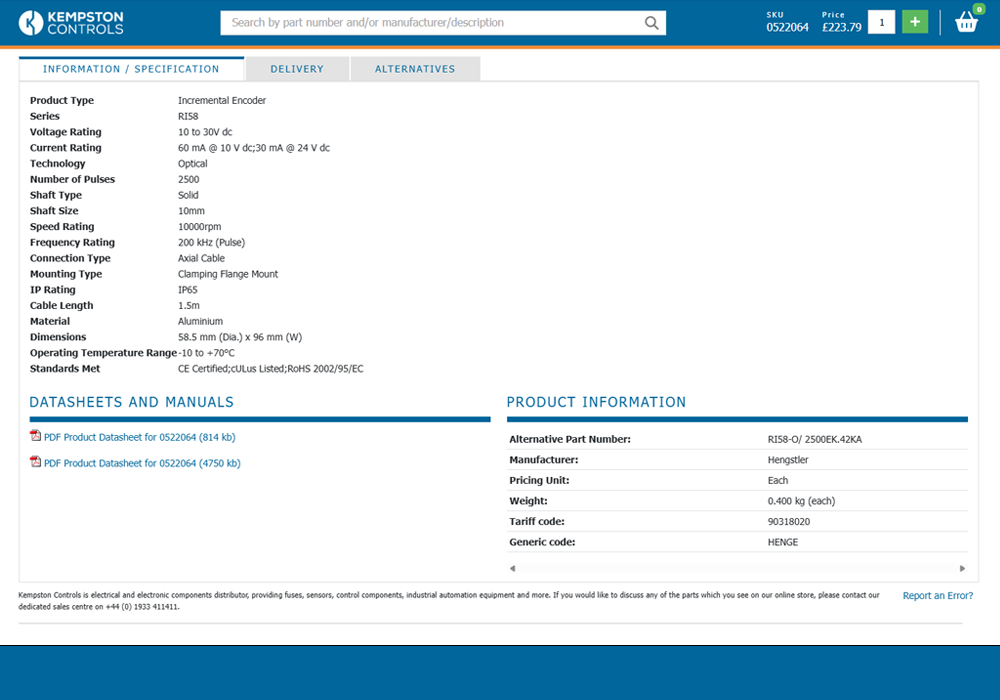
  • 30% revenue growth for Kempston Controls in the UK.
  • 90% of inquiries and 30%+ conversions are attributed to enriched data are attributed to enriched data.
  • Improved product discoverability and enhanced customer satisfaction for industrial distributors.
With over 20 years of expertise serving 5000+ SMBs and Fortune 500 clients, AltiusNxt is uniquely positioned to transform your product data management.
proven-results

Operational Efficiency Through Product Attributes

Our well-developed Product Attributes Development services streamline operations much like an efficient control panel for circuit breakers:

  • Enhanced workflows: Consistent attributes reduce errors across teams.
  • Improved data quality: Accurate datasets ensure compliance and strategic planning.
  • Time-saving: Centralized systems minimize repetitive tasks.
  • Reduced complexity: Teams gain autonomy without relying on third-party systems.
  • Scalability: Handle growing data volumes effortlessly as your business expands.

What strategies can be used to optimize product attributes for better marketing

To optimize Product Attribute Development for better marketing in 2025, consider the following strategies:

1. Conduct thorough market research

Use social listening tools to discover what customers are saying about products in your niche. This identifies attributes that resonate most with your target audience.

2. Create comprehensive attribute lists

Develop a well-organized list of attributes covering all relevant product categories. This ensures consistency and completeness in your product information.

3. Implement a Product Information Management (PIM) system

Centralize and streamline product data management across multiple platforms and marketplaces. This helps maintain accurate and up-to-date attribute information.

4. Analyze customer feedback

Study customer reviews to identify areas for improving product descriptions and attributes. This helps you focus on the attributes that matter most to your customers.

5. Optimize for search engines

Strategically place relevant keywords related to your product’s attributes on your website to improve search engine visibility.

6. Enhance product photography

Use high-quality images to display key attributes such as design, color, and size. Consider including lifestyle shots to demonstrate product benefits in action.

7. Personalize product feeds

Tailor the shopping experience based on user preferences, browsing history, and past purchases. Analyze attributes of previously viewed or purchased products to curate personalized product recommendations.

8. Improve search functionality

Implement a smart search bar that leverages product attributes to interpret queries, making it easier for customers to find the most relevant products.

9. Use structured data markup

Implement schema markup on your product pages to enhance your presence in search results and potentially appear in rich snippets.

By implementing these strategies, you can optimize your product attributes to enhance marketing efforts, improve user experience, increase conversions, and drive overall e-commerce success.

Real-World Success

By treating product attribute with the same precision as designing a circuit breaker or drill bit, businesses unlock new growth opportunities:

  • Increased visibility through SEO-rich content.
  • Enhanced shopping experiences with detailed specifications.
  • Higher conversion rates are driven by trust and clarity.
Partner with AltiusNxt to elevate your e-commerce strategy. Let us help you organize your product data—whether for electrical products like circuit breakers or machining tools like drill bits—to achieve operational efficiency, customer satisfaction, and sustained growth in the digital marketplace. Contact us today!

How Product Content Enrichment Will Drive Your Sales Growth in 2025

The eCommerce industry is experiencing rapid growth, with online shopping emerging as a cornerstone of global commerce. As technology advances, businesses can launch online stores more easily than ever. However, this accessibility comes with its own set of challenges, including fierce competition. In an increasingly crowded market, offering high-quality products alone is no longer enough. To truly capture customer attention and drive sales, your product content must be engaging, informative, and designed to meet the expectations of modern shoppers.

A significant hurdle for many eCommerce businesses is inadequate or inconsistent product content. Whether missing product details or poor-quality images, these content gaps can dramatically impact conversion rates and visibility. While managing hundreds or thousands of products may feel overwhelming, the key to overcoming this challenge is strategic prioritization.

Here is how prioritizing Product Content Enrichment will not only help you enhance the shopping experience but also significantly boost your sales growth.

1. Maximize Impact by Focusing on Your Best-Sellers

Not all products in your store contribute equally to your bottom line. Typically, a small portion of your inventory drives most of your sales. Focusing on these top-performing products allows you to optimize your content efforts for maximum return. Detailed technical specifications, feature copy & bullet descriptions, high-quality images, and engaging collaterals like product catalogs, brochures, technical data sheets, material safety data sheets, drawing sheets, instruction manuals, size guides, warranty information, etc., will make your best-sellers stand out even more, driving traffic and increasing sales. Prioritizing these high-demand items ensures you receive the most value from your content investment.

2. Tailor Content to Match Customer Behavior

Understanding your customer base is more important than ever. Different customer segments may require different types of content to convert. For example, repeat customers may seek technical details or in-depth product specifications; first-time visitors prefer visually rich content like top-deciding product attributes, high-resolution images, or video demonstrations. Analyzing customer behavior and tailoring product content to their specific needs can enhance engagement and drive conversions.
product-attribute-enrichment

3. Highlight Core Products That Define Your Brand

Every eCommerce business has flagship products that are synonymous with its brand. Whether these are your top sellers or unique items that distinguish your brand in the marketplace, they should be presented with the highest quality content. High-resolution images, engaging product videos, detailed product specifications, and marketing descriptions can significantly improve the customer experience, boosting engagement and SEO rankings. Optimizing content for these core products will earn customer confidence and reinforce your brand identity.

4. Ensure Successful New Product Launches with Compelling Content

In 2025, new product launches should stand out in a saturated market. High-quality product content plays a pivotal role in the success of these launches. A well-designed product page with eye-catching images, detailed features, and customer testimonials can generate interest and drive early sales. Creating compelling content for new products sets the foundation for sustained success and increases the likelihood of a successful product introduction.

5. Keep Seasonal and Specialized Industrial Products Fresh and Relevant

While industrial products may not follow the same seasonal trends as fashion or holiday items, there are still opportunities to update content to reflect seasonal or specialized needs. For example, construction equipment might be in higher demand during certain times of the year, and specific types of machinery are required for seasonal maintenance tasks.
By regularly updating your content with the latest features, promotions, and imagery that reflect current industry trends or seasonal demands, you can ensure your products remain competitive and attractive to customers. This might include highlighting products used in seasonal maintenance, such as winterizing equipment or summer construction projects.
Refreshing your product pages with new content can significantly impact your ability to attract customers seeking timely solutions for their seasonal or specialized industrial needs and also establish your business as a knowledgeable and responsive partner in the industry.

6. Prioritize Exclusive or High-Value Industrial Products

If your industrial distribution business offers exclusive or high-value products, such as specialized machinery, precision tools, or custom-engineered components, your product content must reflect their premium nature, whether high-performance power tools, advanced bearings, or custom-designed equipment, requiring detailed and engaging content that highlights their unique features and benefits.

7. Fill Content Gaps to Boost Engagement

A product page may lack key elements such as detailed descriptions, high-quality images, or specifications. These missing details can hinder conversions. By routinely reviewing your product pages and identifying any content gaps, you can quickly address them and improve the overall customer experience. Adding high-quality images and detailed product data can provide customers with the information they need to make informed purchasing decisions.

Why Prioritizing Product Content Enrichment is Key to Sales Growth in 2025

Product Content Enrichment goes far beyond simply adding text and images to your product pages—creating an informative, engaging, and seamless experience that resonates with customers. Optimized content boosts your visibility on search engines and also plays a crucial role in increasing traffic and driving conversions.
b2b-ecommerce-consulting

By prioritizing content enrichment for key products, you will improve customer trust and ultimately increase sales. Tools like Google Analytics allow you to identify underperforming products and target them with optimized content, ensuring your efforts have the most significant impact. Additionally, adopting systems like Product Information Management (PIM) can streamline content management, ensuring consistency and accuracy across all your product pages.

As the eCommerce landscape evolves, businesses that invest in high-quality, relevant product content is better positioned to stand out. In 2025, as competition becomes fiercer, content optimization could be the deciding factor in turning a potential sale into a missed opportunity. By identifying high-priority products, addressing content gaps, and regularly updating your pages to stay relevant, your eCommerce business can boost sales and achieve sustained long-term success.

Unlock E-Commerce Success: How Taxonomy Hierarchy Can Skyrocket Your Sales

In the fast-paced world of industrial distribution, e-commerce has become a crucial platform for businesses to reach their customers. With the vast array of products available, it’s crucial to organize your online store effectively. This is where product taxonomy hierarchy comes into play—a powerful tool that can boost sales and enhance the customer experience.

Understanding Product Taxonomy Hierarchy

Product taxonomy hierarchy is the structured organization of products into categories and subcategories, forming a logical framework that helps guide customers as they navigate your e-commerce site. For industrial distributors, this means carefully categorizing your vast inventory of products, from power tools to bearings, in a way that makes sense to your customers.

The Impact on Sales

A well-structured product taxonomy can significantly impact your bottom line. Studies show poorly architected retailing sites sell 50% less than better-organized sites. Implementing a well-organized taxonomy enables you to achieve the following outcomes:

  • Improve product discoverability
  • Enhance user experience
  • Builds Trust

Best Practices for Industrial Distribution

1. Clear and Intuitive Categories

Start with broad, overarching categories that make sense for your industrial products. For example:

  • Power Tools
  • Fasteners & Hardware
  • Material Handling Equipment
  • Bearings & Power Transmission

2. Logical Subcategories

Break down your main categories into subcategories that guide customers to specific products. For instance, under “Power Tools”:

  • Drills
  • Saws
  • Grinders
  • Sanders

3. Detailed Product Attributes

Use attributes to help further refine product searches. For bearings, this might include:

  • Product Type (ball, roller, thrust)
  • Chuck Size (inner diameter, outer diameter)
  • Battery Capacity
  • Drilling rating

4. Real-World Example: Power Tools Hierarchy

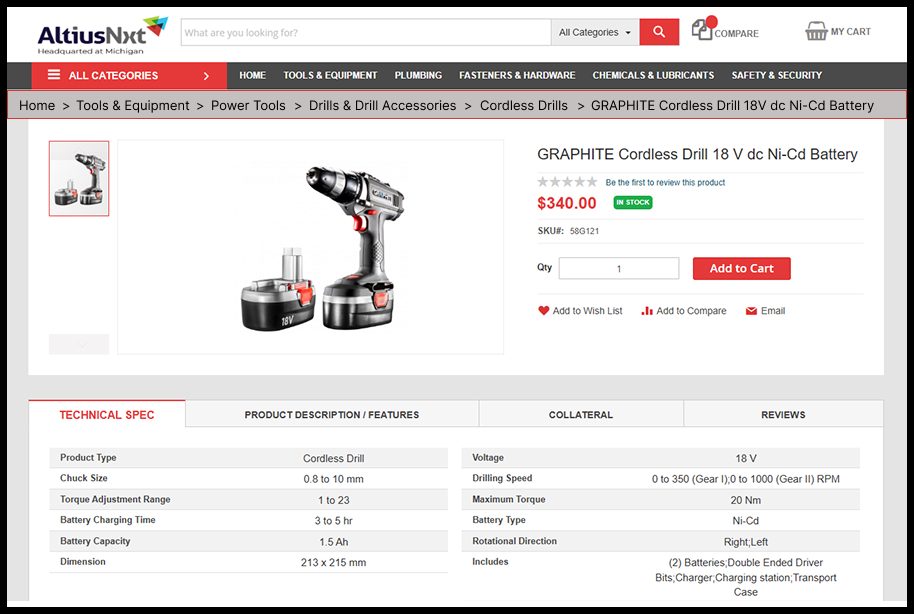
Let’s look at how a taxonomy hierarchy might work for power tools:

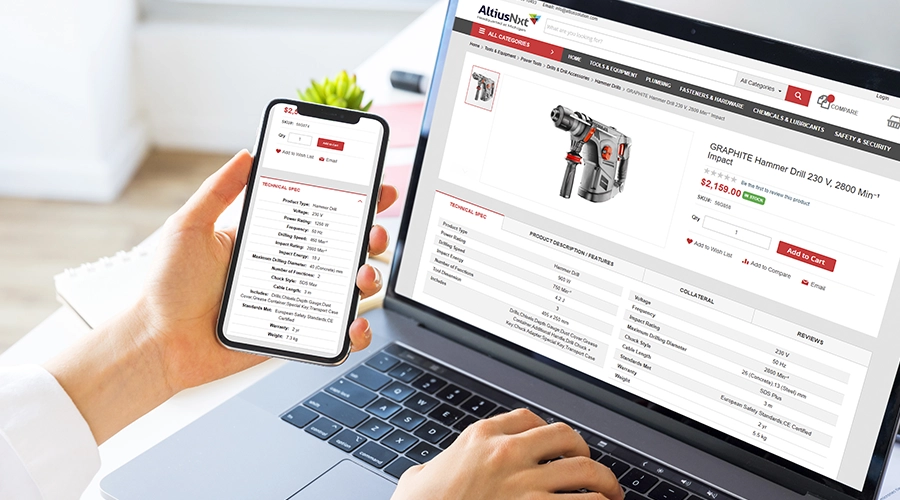
  • Power Tools > Drills & Drill Accessories > Cordless Drills > Graphite Cordless Drill 18V dc Ni-Cd Battery
  • This structure allows customers to quickly navigate from the broad category to the specific product they need.
product-taxonomy-development-services
ecommerce-taxonomy

5. Implementing Faceted Navigation

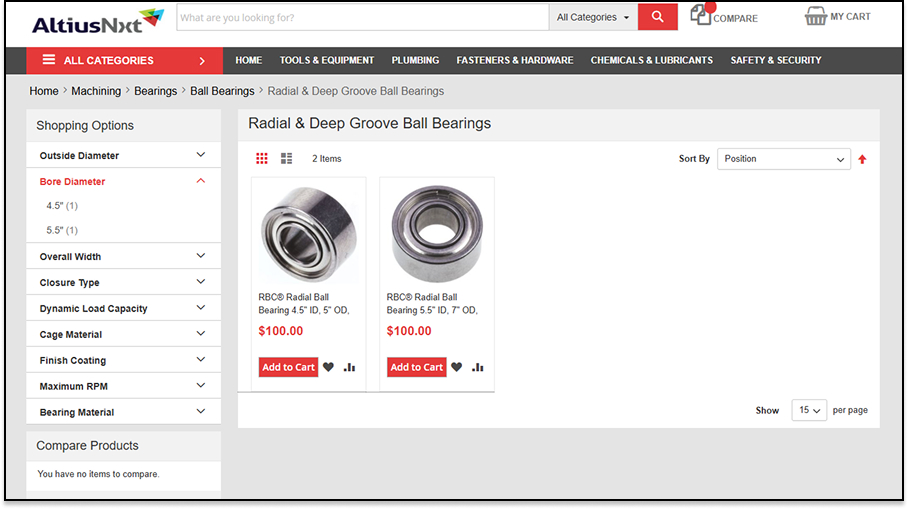
For large industrial catalogs, consider implementing faceted navigation. It allows customers to filter products based on multiple attributes simultaneously. For example, when searching for bearings, a customer could filter by:

  • Type: Ball bearings
  • Bore Diameter: 4.5″
  • Bearing Material: Stainless steel
  • Dynamic Load capacity: 750 lbf

The Role of Search and SEO

A well-organized taxonomy not only helps customers navigate your website with ease but also enhances your search engine optimization (SEO). Integrating relevant keywords into your category and product names increases the chances of your products appearing in search results.

Continuous Improvement

Remember, your product taxonomy is not a one-time setup. As your product line evolves and customer needs change, taxonomy should adapt. Analyze user behavior and search patterns to refine your hierarchy and ensure it continues to serve your customers effectively.

By implementing a robust product taxonomy hierarchy, industrial distributors can create a more intuitive and efficient e-commerce experience. This not only leads to increased sales but also builds customer loyalty and sets your business apart in the competitive world of industrial distribution. Never overlook the importance of organization; it could be the key to unlocking the full potential of your e-commerce success.

What Is Product Data Enrichment and Why It’s Essential for Your Business?

Product Data Enrichment is essential for providing customers with clear, complete, relevant product information that keeps them engaged. When customers visit your website, they expect detailed insights to make informed purchase decisions. Without enriched product data, they are likely to leave your site quickly. This is where product enrichment comes into play—turning passive visitors into loyal customers by enhancing the product experience.

What is Product Data Enrichment?

Typically, many websites feature products with basic descriptions and simple images. Product Data Enrichment elevates your listings by incorporating detailed information, such as category hierarchies for easy navigation, SEO-optimized titles, engaging marketing copy, comprehensive technical specifications, and digital assets like images and catalogs. This enhanced content gives customers a clear understanding of their purchase, improving their decision-making process.

Why is Product Data Enrichment Important?

  • Informed Decisions: Customers can make smarter buying choices when they have all the relevant product details.
  • Increased Engagement: Detailed information encourages visitors to spend more time on your site, boosting the chances of conversion.
  • Builds TrustComprehensive product data creates a sense of reliability and confidence in your brand.

Best Practices for Effective Product Data Enrichment

Product data enrichment elevates your listings by incorporating detailed information, enhancing the customer experience, product discoverability. Here are key best practices to follow:

  • Clear Category Hierarchies: Organize products into logical categories for easy navigation, ensuring customers can quickly find the right products.
  • SEO-Optimized Titles: Incorporate relevant keywords to enhance search engine visibility and attract traffic to your listings.
  • Engaging Marketing Copy: Craft compelling product descriptions that showcase features and benefits, engaging customers and building trust.
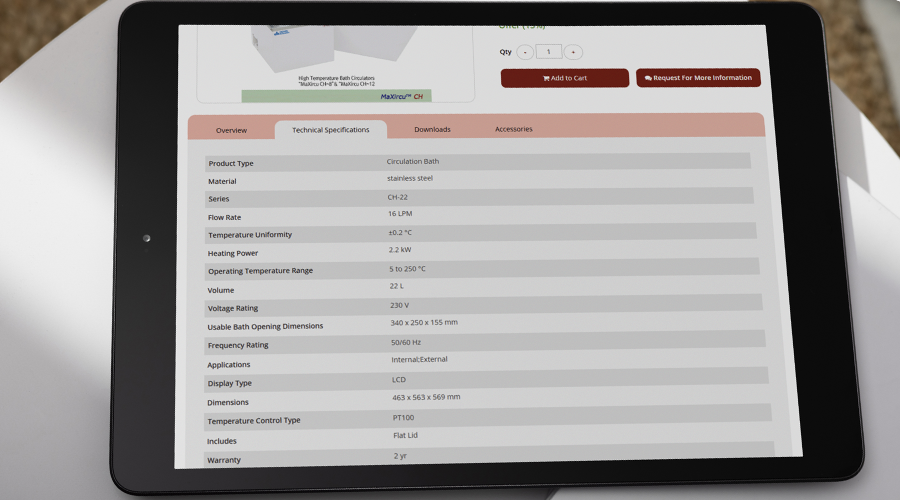
  • Comprehensive Technical Specifications: Provide detailed technical data, including dimensions, materials, and performance metrics, to help customers make informed decisions.
  • Rich Digital Assets: Use high-quality images, videos, and catalogs to provide a detailed and engaging view of your products.

How Product Data Enrichment Benefits Your Business

  • Faster Product Discovery: Enable customers to quickly and easily find the right products, leading to a smoother and more efficient shopping experience.
  • Better Search Rankings: Rich product descriptions and relevant data enhance SEO, making it easier for search engines to rank your products higher.
  • Enhanced Customer Experience: The more detailed the information, the easier it is for customers to trust your brand and make purchases, leading to higher retention rates and repeat business.
How

Product Data Enrichment Benefits Your Business

product-content-enrichment
  • product-discovery
    Faster Product Discovery: Enable customers to quickly and easily find the right products, leading to a smoother and more efficient shopping experience.
  • better-ranking
    Better Search Rankings: Rich product descriptions and relevant data enhance SEO, making it easier for search engines to rank your products higher.
  • enhanced-customer-experience
    Enhanced Customer Experience: The more detailed the information, the easier it is for customers to trust your brand and make purchases, leading to higher retention rates and repeat business.

Impact on Sales & Conversion Rates

Data enrichment is not just about adding information—it’s about shaping a seamless and trustworthy shopping experience. Studies show that customers are more likely to purchase when they encounter clear, detailed, and enriched product data that helps them make informed decisions. One bad experience can deter one in three customers from returning, directly impacting sales and revenue.

Enriched product data can significantly boost your conversion rates and make visitors more likely to turn into loyal customers. A better customer experience leads to more sales, repeat business, and an improved brand reputation.

Product Enrichment Drives Success in Competitive Markets

With the ever-increasing competition in eCommerce, businesses must continuously innovate to stay ahead. Product Data Enrichment enhances the customer experience while boosting traffic, increasing sales, and ensuring success in a competitive marketplace.

In Summary, Product Data Enrichment is a Game-Changer

Enriching your product listings with complete, accurate, and relevant data improves search engine rankings while ensuring a seamless, reliable shopping experience that fosters customer loyalty and increases sales.

Invest in product data enrichment today to turn clicks into conversions and visitors into loyal customers!

What is Product Information Management (PIM) for eCommerce?

Introduction

In eCommerce, businesses handle substantial volumes of product data, including descriptions, technical specifications, and stock levels. A Product Information Management (PIM) system is designed to organize and regulate this data, ensuring it is uniform and easily accessible. A PIM system also enhances the user experience by providing customers with readily available and accurate product information as they browse online.

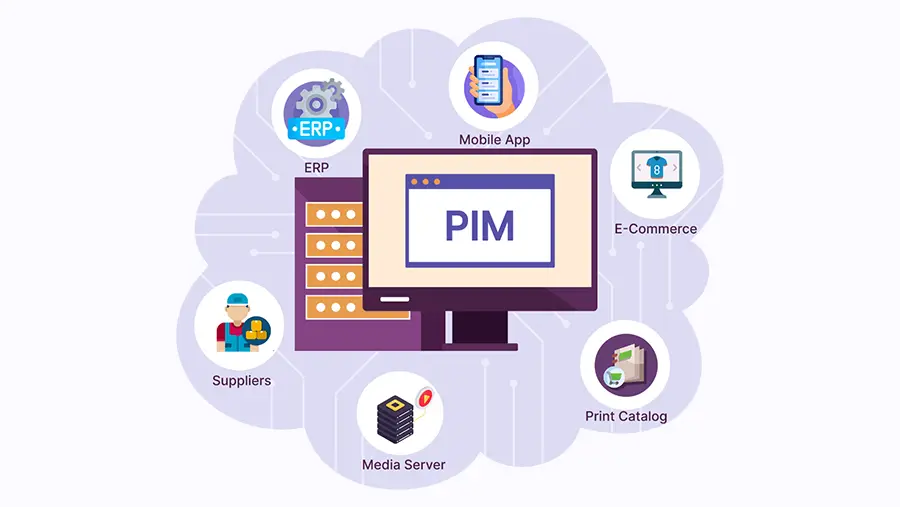
Product Information Management (PIM) involves collecting and managing essential product-specific information, from descriptions to images, in a central location. By facilitating updates to product information, PIM enhances the efficiency of product data management and simplifies the process of adding new products to online platforms. It ensures customers have access to the relevant information when they are ready to purchase.

Information Stored by PIM

PIM solutions effectively manage a diverse range of product information tailored for B2B environments. It includes comprehensive descriptions, tax classifications, material compositions, technical specifications, hardware versions, and rich media assets such as images and videos. By centralizing this data, PIM systems ensure that businesses have immediate access to accurate and detailed product information, facilitating informed decision-making and enhancing collaboration across supply chains.

When to Use PIM ?

PIM is most beneficial in the following scenarios:

  • Data-rich information is needed: When products require detailed descriptions and specifications.
  • Multiple suppliers and distribution sources are involved: PIM helps manage data from various sources.
  • Frequent updates to prices and product catalogs are necessary: PIM simplifies keeping information current.

When Not to Use PIM ?

PIM may not be necessary if:

  • A single platform or distribution channels used: There is less need for centralized management.
  • The store deals with a limited number of products: Managing data is less complex.
  • Working with only one or two manufacturers: Data sources are limited.
  • Products do not require rich data descriptions: Simpler products may not need extensive information management.

Key Takeaways

  • PIM enhances brand awareness and customer experience to increase sales and revenue.
  • A quality PIM platform is crucial for creating omnichannel consistency, ensuring a seamless customer experience across all channels.
  • PIM is an integral part of the master data management, providing a foundation for consistent and accurate data across the organization.

Benefits of PIM for Your eCommerce Business

1. Establishes a Single Source for Product Information

PIM implementation enables quick export of product records to eCommerce websites, marketplaces, and social media shops. Updates or corrections made in the PIM system can be automatically applied across all platforms and sales channels.

2. Faster Time to Market

Whether launching a new product or sales channel, PIM streamlines the process, reducing the need for manual data entry. Automated workflows allow teams to launch and maintain new products and sales channels more efficiently.

3. Improves Quality and Consistency of Product Data

Inaccurate or incomplete product data can negatively impact sales and user experience. PIM facilitates editing, adding, and reviewing data in one system, improving the quality and consistency of product data. Changes made in the PIM system can be published across the eCommerce platform, enhancing the brand image with accurate, up-to-date information.

4. Creates More Effective Marketing Strategies

Customer experience is as important as the products and services offered. With customers using multiple channels, PIM provides a unified experience by ensuring accurate and current product information is available at every step of the purchasing process.

Conclusion

PIM centralizes product information for all business applications, delivering a rich shopping experience across multiple storefronts and sales channels. After adding selected products directly from the PIM system and reusing product data and attributes in eCommerce platforms, businesses can save time and money. As a result, PIM can significantly contribute to the growth and optimization of an eCommerce business.

8 Ways a Product Information Management (PIM) System Will Save You Time

Introduction

As your eCommerce business grows, managing extensive product data becomes increasingly complex. Scattered product information leads to decreased team efficiency, frequent errors, and eroded customer trust. A Product Information Management (PIM) system is the solution specifically designed to tackle these challenges directly.

What is PIM?

PIM centralizes all your product information. It is a single source of truth, storing data from your entire product catalog, which includes:

  • Basic product details (name, brand, price, etc.)
  • Technical specifications (product-specific attributes)
  • Sales channel and marketplace information (e.g., Amazon, eBay)
  • Inventory availability
  • Product reviews
  • Product images, catalogs, datasheets, and other marketing materials (digital assets)
    PIM goes beyond simple storage. It empowers you to manage and update product information across all sales channels simultaneously. This streamlined approach simplifies data import and export, acting as a central hub for all product-related activities.

8 Ways a PIM System Will Save Your Time

1. Eliminates Spreadsheet Chaos

Managing thousands of product information in spreadsheets is time-consuming and prone to errors. PIM provides a centralized platform for accurate data creation, saving time and reducing the risk of human error, ensuring that the right teams access the correct, up-to-date information.

2. Automates Key Processes

 PIM automates data retrieval from various sources, eliminating manual uploads and creating a richer product experience. This automation is invaluable when launching new products or creating promotions, significantly reducing the time required for these tasks.

3. Optimizes Marketing Efforts

With centralized product information, PIM provides valuable insights into sales performance and other marketing metrics, such as identifying top-performing sales channels, optimizing keywords, and understanding product lifetime value. This data empowers marketing teams to make informed decisions, driving sales growth.

4. Facilitates Milestone Achievement

PIM services allow you to track business progress and monitor product sales, team performance, and overall productivity. By identifying bottlenecks and areas for improvement, you can take corrective action promptly, optimizing your progress and ensuring you reach your business milestones.

5. Drives Business Growth

PIM enables you to assess team and unit efficiency. Sharing best practices and data between teams becomes seamless, accelerating growth across the organization.

6. Reduces Errors and Costs

Accurate product data within PIM minimizes the risk of errors, saving time and cost. Optimized product delivery, purchasing procedures, and inventory management lead to increased customer satisfaction and generate more sales. Easy integration with existing systems further reduces management and marketing costs.

7. Enhances Customer Experience

As the single source of truth for product information, PIM ensures consistency across all marketing channels, and correcting data inconsistencies improves the customer experience by providing accurate and reliable information.

8. Supports Business Expansion

PIM facilitates rapid and accurate publishing of new or updated product content across all sales channels. Seamless integration with any eCommerce platform allows for easy localization of product details for international markets. This streamlined approach minimizes expansion costs and saves valuable time.

Conclusion

PIM centralizes product data, giving teams, management, and customers streamlined control over searching, accessing, updating, and sharing product information. PIM empowers you to effectively manage large datasets, driving efficiency and supporting future growth for your eCommerce business. Embrace PIM and transform your data into a strategic asset.

5 Essential Strategies to Keep Visitors on Your Website and eCommerce

Introduction

In today’s competitive digital landscape, keeping visitors engaged on your website and eCommerce store is crucial for success. To encourage your audience to stay longer, make purchases, and return frequently, you need to implement effective strategies. Here are 5 essential methods to enhance engagement on your website and eCommerce store, from optimizing your design to leveraging product data enrichment services and social proof. These approaches will help create a compelling space for your visitors, encouraging them to explore and interact with your content.

1. Optimize Your Website Design​

A well-designed website can significantly impact how long visitors stay. An attractive layout, cohesive color scheme, and high-quality images can captivate your audience. Here is how to improve your design:

Responsive Design

Ensure your website is mobile-friendly. With a significant portion of traffic coming from mobile devices, a responsive design will cater to various screen sizes and improve user experience.

Fast Loading Times

Website speed is critical. Use tools like Google PageSpeed Insights to analyze your site performance and identify areas for improvement. Faster load times reduce bounce rates and keep visitors engaged.

Visually Appealing Elements

Incorporate engaging visuals such as infographics, videos, and interactive elements to make your content dynamic and appealing.

2. Provide Valuable and Relevant Content

Content is king, keep your visitors with high-quality, relevant content that keeps them engaged and encourages repeat visits. Here is how to enhance your content strategy

Create How-to Guides

Tutorials and how-to articles are valuable resources for establishing your expertise. These can be particularly effective when integrated with your product data services, offering practical advice and insights.

Use Blogs and Articles

Post regularly on topics that interest your audience. Incorporate keywords naturally to improve SEO and make your content more discoverable.

Offer Valuable Resources

Enrich your site with valuable resources such as e-books, spreadsheets, or templates to engage visitors more effectively. Utilizing product data enrichment services can ensure these resources are current and comprehensive, enhancing their value and keeping users on your site longer.

3. Improve Navigation and User Experience

A user-friendly website encourages visitors to explore further. To ensure easy navigation, consider these tips:

Clear Menu Structure

Use a clear and concise menu that allows visitors to find information quickly. An organized menu can enhance user experience and reduce bounce rates.

Breadcrumb Navigation

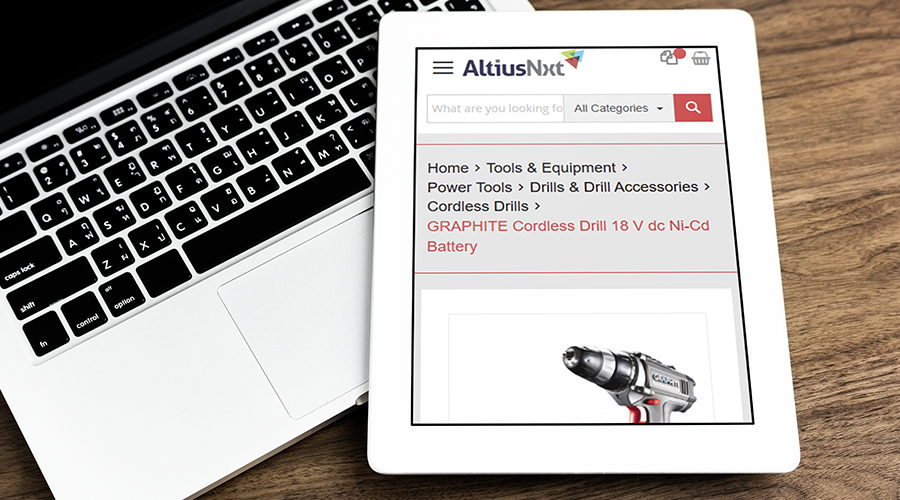
Implement breadcrumb navigation to help users backtrack easily while browsing your site. This feature is particularly beneficial for eCommerce stores with extensive product catalogs.

Search Functionality

A visible and efficient search bar can help users quickly find products or information. Effective search functionality, enhanced by accurate product data services, improves user satisfaction and engagement.

4. Utilize Effective Call-to-Actions (CTAs)

CTAs are crucial for guiding visitors on what to do next. Here is how to make your CTAs more effective

Be Clear and Concise

Use straightforward language in your CTAs, such as “Shop Now” or “Download the Guide.” Clear CTAs help users understand the next steps.

Create Urgency

Phrases like “Limited Time Offer” or “Act Now” can encourage immediate action and boost conversions.

Position Strategically

Place CTAs where they are easily visible, such as at the end of blog posts or pop-ups after a visitor has engaged with your content. Integrate CTAs with your product data enrichment services to promote relevant products effectively.

5. Leverage Social Proof and Customer Reviews

Social proof can significantly influence your visitor’s decisions. Showcasing testimonials, reviews, and user-generated content builds trust and credibility:

Customer Reviews

Encourage satisfied customers to leave reviews on your product pages. Positive feedback can persuade potential buyers and enhance your store’s reputation.

Case Studies

Share case studies demonstrating how your products or services have helped customers achieve their goals. This can be particularly effective when enriched with detailed product data.

Social Media Mentions

Highlight positive mentions of your brand on social media platforms to enhance credibility and build trust with your audience.

Conclusion

Keeping visitors engaged on your website and eCommerce store involves a multi-faceted approach that requires thoughtful strategies. By optimizing your design, providing valuable content, ensuring easy navigation, utilizing effective CTAs, and leveraging social proof, you create an attractive and engaging environment for your visitors. By implementing these five fundamental strategies, you can expect a significant increase in customer engagement, higher retention rates, and enhanced sales performance.